
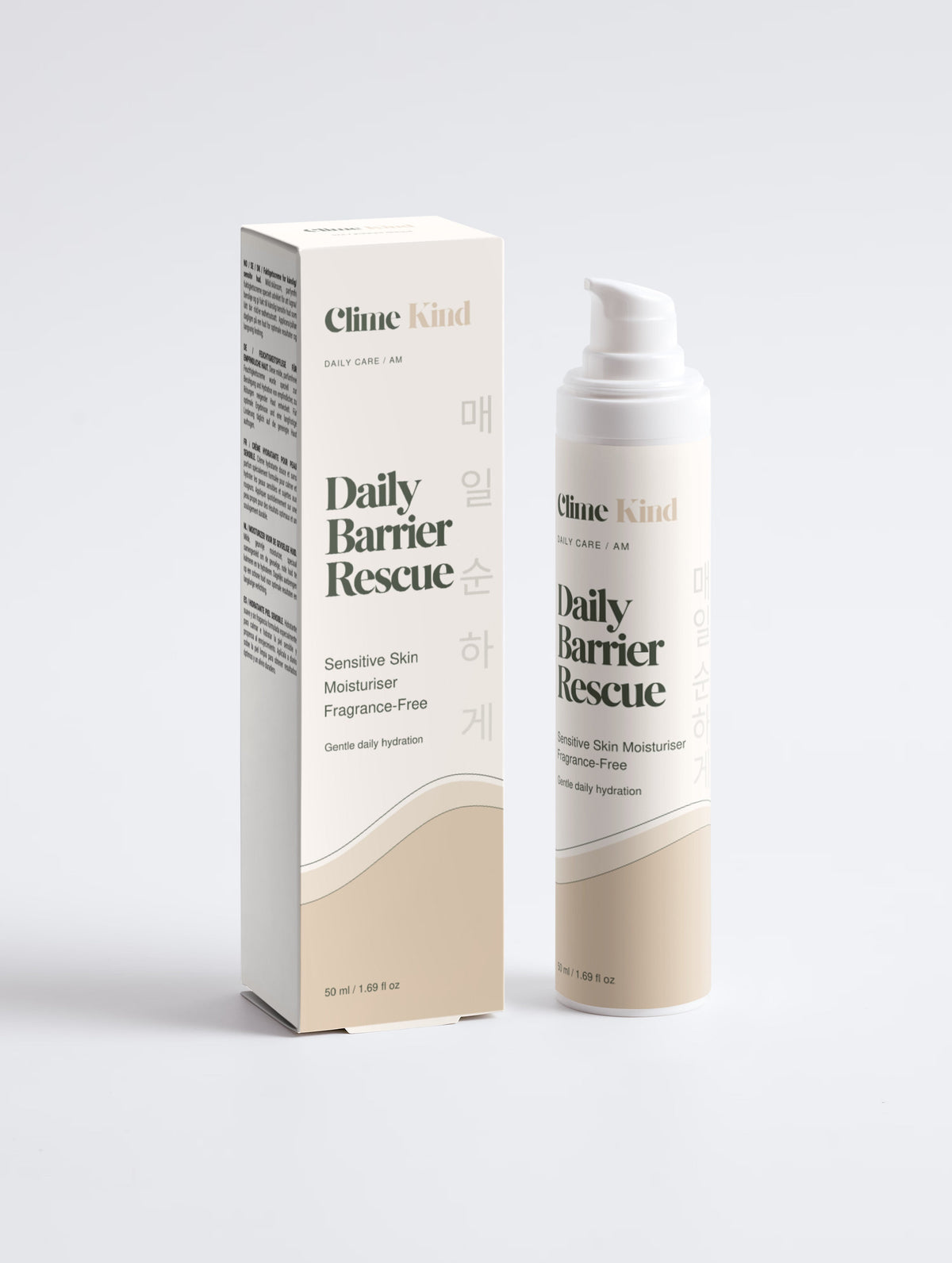
Reading a skincare ingredient list does not require a chemistry qualification. It starts with a few practical questions: does the formula contain anything you know you avoid, which ingredients relate to its purpose, and what does the complete product actually claim to do?
The aim is better decisions, not sorting every unfamiliar name into “good” or “bad”. A long chemical name can describe a familiar ingredient, while a comforting botanical name can still matter to someone with a sensitivity.
Connect label names with familiar ingredients
Cosmetic ingredient lists use standardised names, often called INCI names. This helps identify ingredients across products, although the wording can look different from the name used on the front of the bottle.
For example, the ingredient list for Daily Barrier Rescue Moisturiser includes Simmondsia Chinensis Seed Oil, described in everyday language as jojoba oil. Sodium Hyaluronate is one of the names you may see where a product discusses hyaluronic acid.
Learning a few relevant names makes comparison easier. You do not need to memorise an entire glossary before choosing a moisturiser.
Use order as context, not a calculator
An ingredient list tells you what is present, but it does not provide the concentration of every component. You cannot reliably calculate a percentage by counting how far an ingredient appears down the list, or compare two products simply by counting the ingredients before it.
The finished formula also matters. Texture, supporting ingredients and directions all contribute to how a product is used. DermNet’s moisturiser guide explains how humectants, emollients and occlusive ingredients can work together within a formulation.
Use front-label percentages only for the claim actually made. Do not extend them into concentration estimates or treatment promises for ingredients that are not quantified.
Check the details that change your decision
Clime Kind’s two facial moisturisers are fragrance-free. Daily Hydration Toner has no added perfume, but it contains rose flower water, camomile and strawberry extracts. Those are different fragrance descriptions, and botanicals can still be relevant to an individual sensitivity.
The Sensitive Skin Face & Body Cleanser contains Parfum/Fragrance, Sodium Coco-Sulfate and Hydrolyzed Wheat Protein. If you avoid fragrance, sulphates or wheat-derived ingredients, read that full list rather than relying on the product name alone.
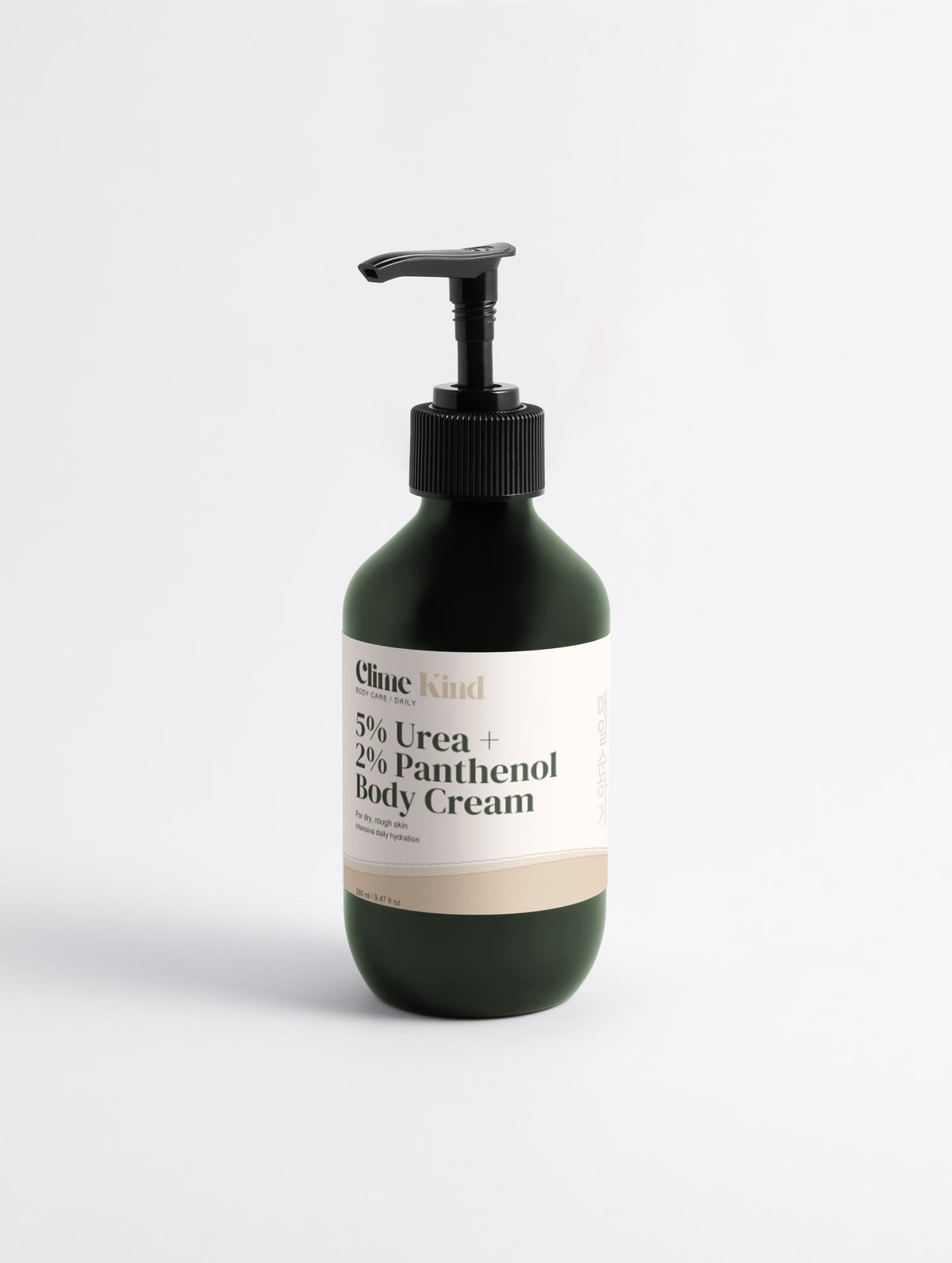
Our body cream and shampoo also contain fragrance. “Natural”, “gentle” or “sensitive” language should never replace checking for an ingredient you have been advised to avoid.
Keep a short personal note of ingredients you have been advised to avoid, using their exact names where possible. That is more useful while shopping than trying to remember whether an entire category sounded reassuring. If the list is unclear, ask for clarification rather than treating a spelling difference as proof of safety.
Let the current label have the final word
Product information helps you compare, but your current packaging is the final reference for ingredients and directions. If you need clarification about a listed component, ask before using the product rather than guessing from an abbreviated description.
Introduce new skincare gradually and follow sensible small-area testing guidance. The AAD explains how to test a product at home; this does not diagnose allergy or replace professional advice.
A useful reading habit is selective and calm: recognise key names, check personal triggers, then judge the whole formula instead of one headline ingredient.

Leave a comment
This site is protected by hCaptcha and the hCaptcha Privacy Policy and Terms of Service apply.