
Jojoba oil is a familiar skincare ingredient, but a familiar name can attract more claims than it needs. In a moisturiser, its useful story is straightforward: it contributes an emollient, softening element within a wider formula.
That does not mean a bottle of oil is interchangeable with a finished cream, or that every moisturiser containing jojoba will feel the same. The ingredients around it matter just as much.
Place jojoba within the whole formula
Moisturisers often combine ingredients with different roles. DermNet describes emollients as ingredients that soften and smooth, alongside humectants that attract and retain water and occlusive ingredients that help limit moisture loss.
Jojoba oil contributes to the soft, nourished feel of Clime Kind’s facial moisturisers. Humectants such as glycerin and hyaluronic acid sit alongside it, so the formula is not asking one oil to provide every aspect of moisturising.
There is no need to describe jojoba as identical to your skin’s own oil or promise that it will control oil production. Neither claim is required to understand why a formulator might include it in a cream.
Meet the lighter daytime option
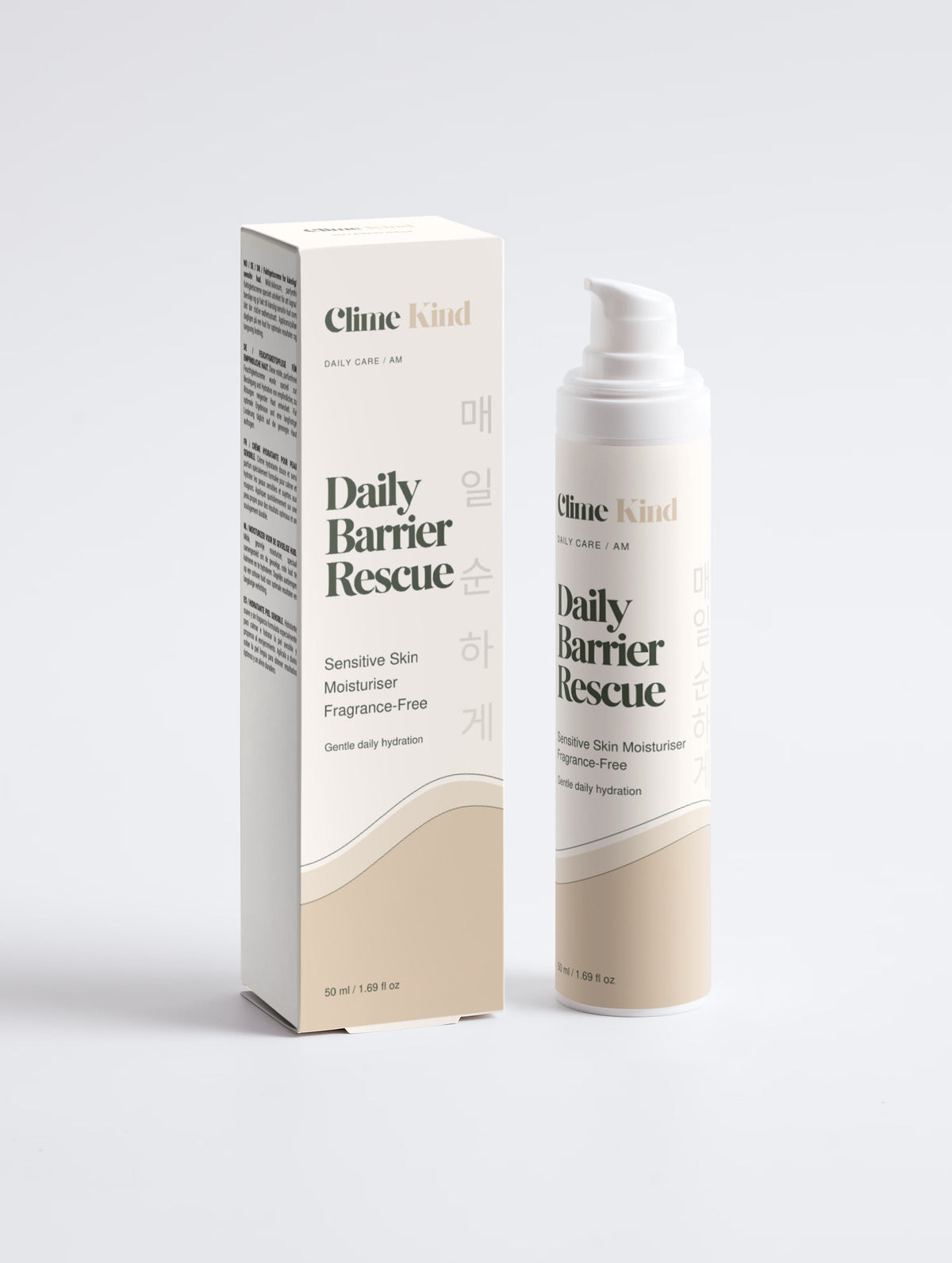
Daily Barrier Rescue Moisturiser contains jojoba oil with aloe juice, glycerin, Sodium PCA and forms of hyaluronic acid. Its lightweight format is intended for morning use on clean face and neck.
The product is fragrance-free. That may be helpful when fragrance is something you prefer to avoid, but the full ingredient list and your own tolerance still matter.
Apply it as directed and follow with suitable separate sun protection. Jojoba oil in a moisturiser does not make the cream an SPF product, and a comfortable finish is not evidence of UV protection.
Compare the richer evening cream
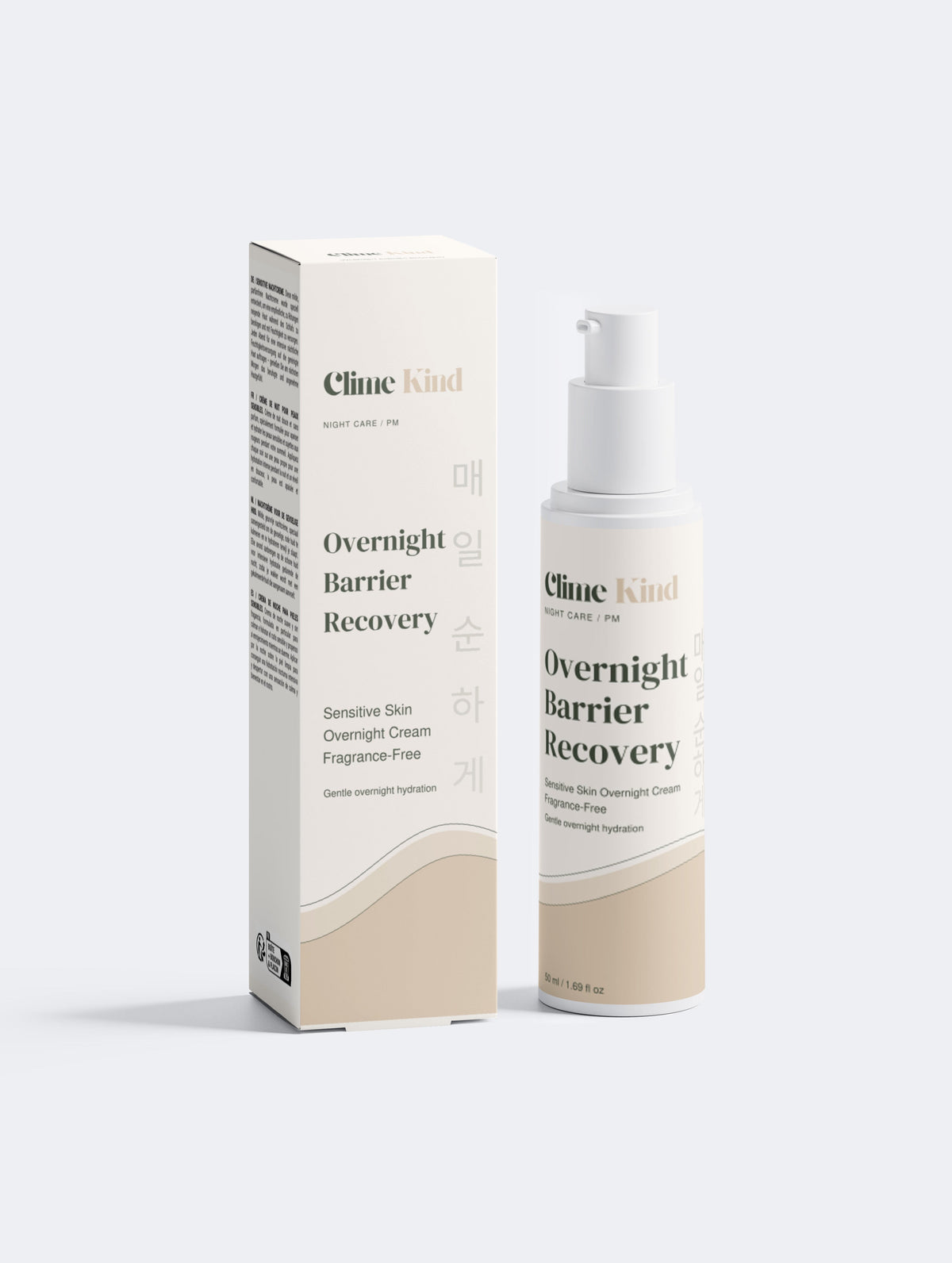
Overnight Barrier Recovery Cream also includes jojoba oil, this time in a richer texture with mango seed butter. Aloe juice, glycerin and hyaluronic acid remain part of the hydration-focused blend.
The contrast shows why comparing only one shared ingredient is limiting. Two formulas can both contain jojoba and offer different experiences because their full composition and intended textures differ.
Choose the evening cream if that richer finish fits your needs, rather than assuming it must be more effective simply because it feels more substantial. You do not have to buy both creams to make use of jojoba in your routine.
The product list may use the longer name Simmondsia Chinensis Seed Oil for jojoba. Recognising that name can help you compare formulas, but its position in a list does not reveal every detail of the finished texture. Keep the product description and application directions alongside the ingredient information.
Avoid turning an ingredient into an extra task
Adding separate jojoba oil on top is not automatically necessary when your moisturiser already feels comfortable. Nor is mixing oil into the jar a good way to adjust a finished product; use skincare according to its own directions.
Introduce the chosen moisturiser gradually, keep the rest of your routine familiar and assess the whole experience. Does it feel comfortable after application? Does the texture fit the time of day? Does the ingredient list suit your needs?
Those questions lead to a more useful choice than chasing a single ingredient. Jojoba oil can earn its place quietly, as one part of a considered moisturising formula.

Leave a comment
This site is protected by hCaptcha and the hCaptcha Privacy Policy and Terms of Service apply.