
Hyaluronic acid, glycerin and Sodium PCA often appear in the same skincare conversation. Seeing all three on a label can make hydration sound complicated, as though each one needs its own bottle. In practice, a finished formula can bring them together in a single useful step.
Understanding their shared role helps you compare products more calmly. It also makes it easier to decide whether another hydrating layer would contribute anything your routine is missing.
Meet the humectant family
Humectants help attract and retain water. Glycerin, Sodium PCA and hyaluronic acid are examples you will encounter in the Clime Kind range. Their ingredient names differ, but that does not mean you must choose a winner or use three separate products to benefit from a moisture-focused formula.
DermNet describes humectants alongside emollient and occlusive ingredients. These categories explain different functions: drawing in moisture, softening the surface and limiting evaporative water loss. Many moisturisers combine functions rather than belonging neatly to just one group.
These are general ingredient roles. They do not establish a particular number of hours of hydration, a repair deadline or the measured performance of a finished Clime Kind product.
Read the formula around the headline ingredients
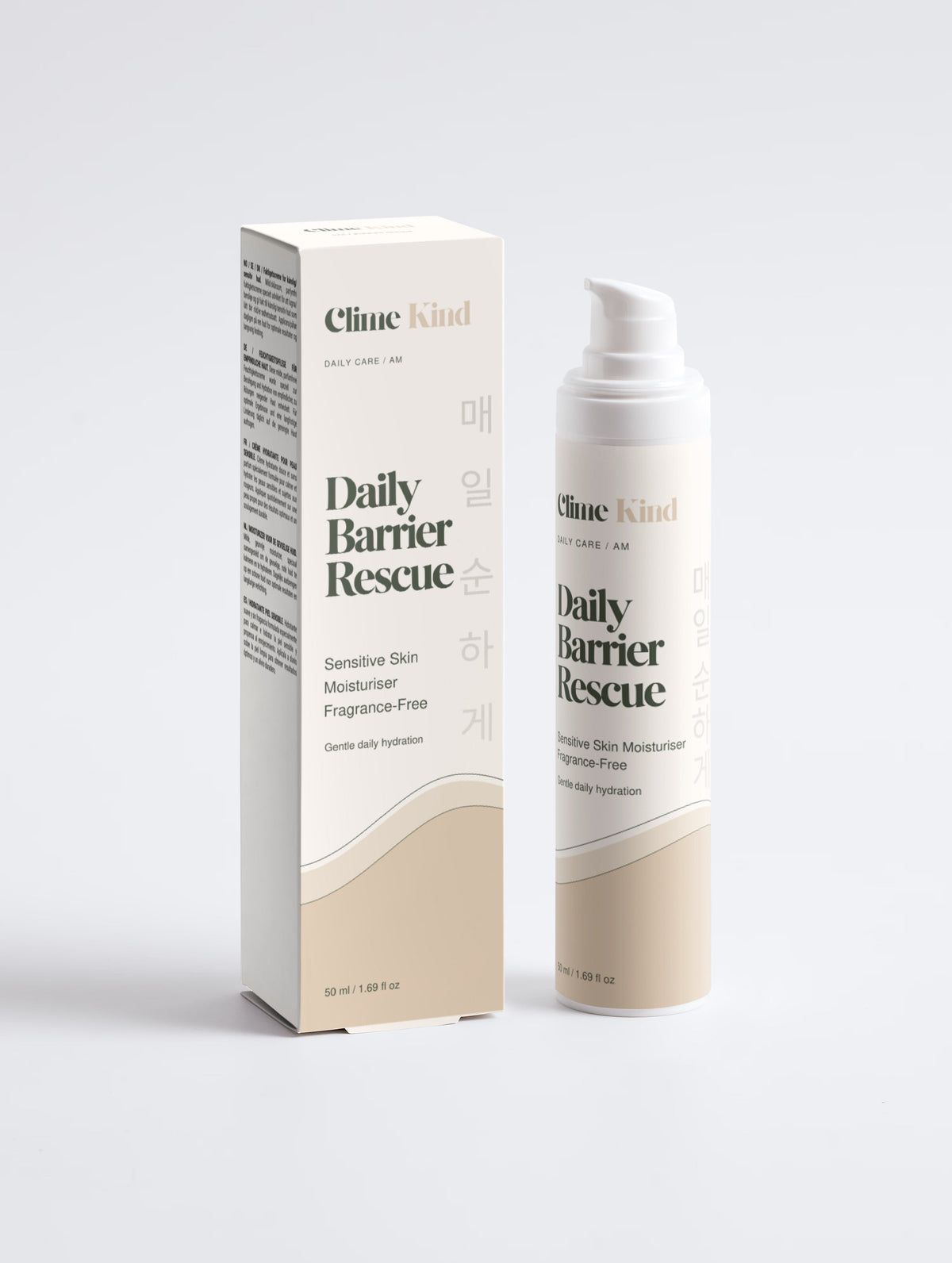
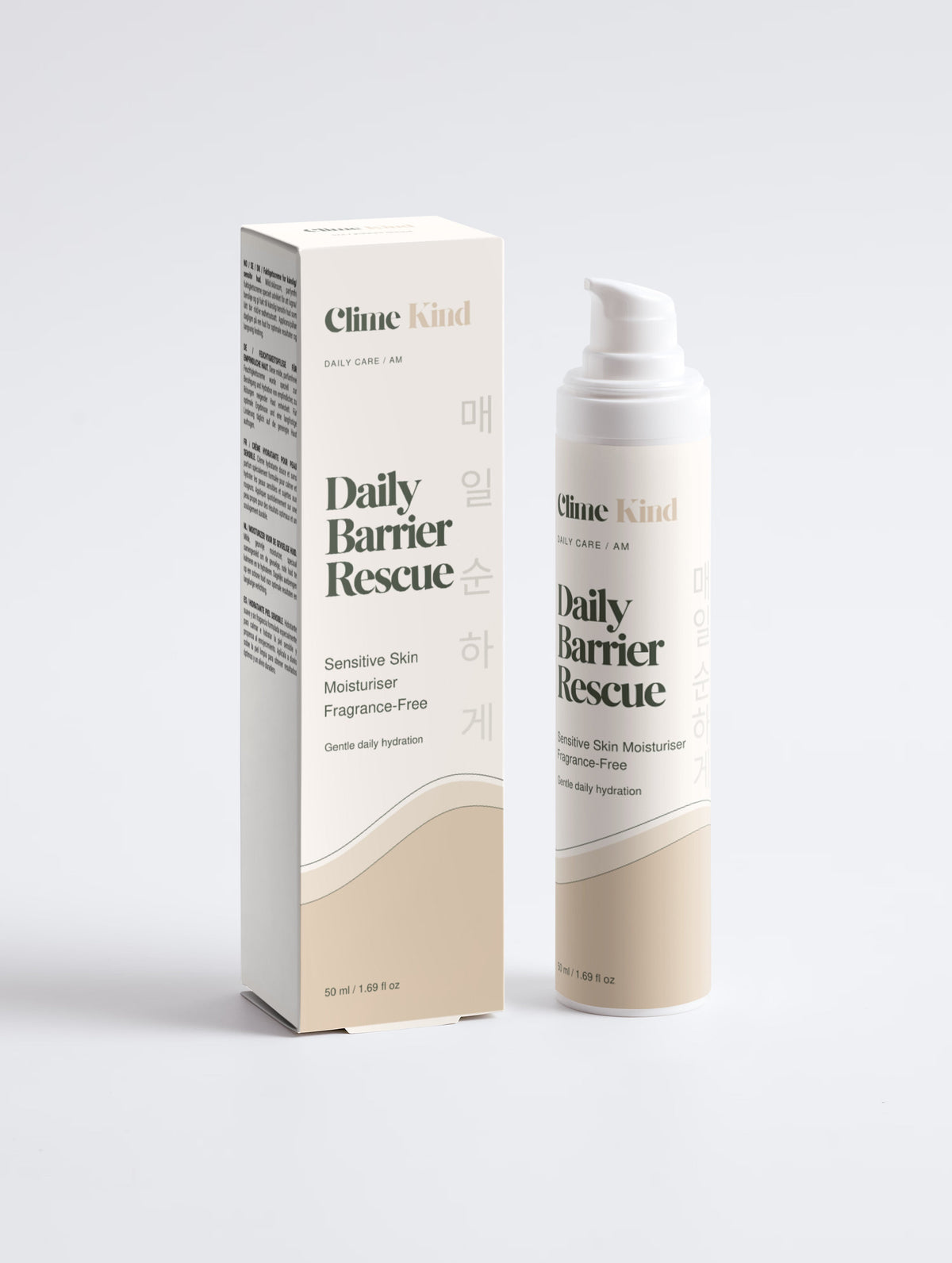
Daily Barrier Rescue Moisturiser includes glycerin, Sodium PCA and forms of hyaluronic acid, alongside aloe juice and jojoba oil. That blend has a different overall feel and purpose from a watery toner, even where some ingredients overlap.
The jojoba oil contributes a softening element, while the cream format brings the components together in a lightweight facial moisturiser. It is fragrance-free and intended as a morning moisture step, followed by separate suitable sun protection.
Rather than searching for the ingredient with the most impressive name, consider whether the product texture is comfortable, whether you tolerate its full formula and whether it works within your existing routine.
Layer only when you want the extra texture
Daily Hydration Toner also contains glycerin, Sodium PCA and sodium hyaluronate. Its rose flower water base gives it a light, watery format. It has no added perfume, although the botanicals can contribute their own scent and may not suit every sensitivity.
If you enjoy toner, apply a little after cleansing and follow with moisturiser. If you already find your cream comfortable, you can skip the toner. Ingredient overlap does not make layering wrong, but neither does it prove that more layers are necessary.
A simple way to assess an optional product is to add it while leaving everything else unchanged. That lets you judge the extra step itself instead of trying to interpret several new formulas at once.
Keep your expectations practical
- Look for a comfortable finish rather than a dramatic sensation.
- Use the amount and method described on the label.
- Do not mix products into a homemade formula to increase ingredient strength.
- Remember that moisturiser and hydrating toner do not provide sunscreen protection.
If your skin stays dry or becomes irritated, repeatedly adding humectant products is not automatically the answer. Review how you cleanse, whether your chosen cream suits you and whether the discomfort needs professional advice. The most useful hydration routine is usually the one you understand well enough to keep straightforward.


Leave a comment
This site is protected by hCaptcha and the hCaptcha Privacy Policy and Terms of Service apply.